-
RNG Research Day 2026
We had a great time during the annual RNG Research Day on April 14th! The theme of the day was “Communicating Science” and the programme was filled with inspiring plenaries, engaging pitches and poster presentations, and an amazing music quiz!
-

New generation of interns!
The lab is excited to welcome 6 new interns: Joëlle, Matilde, Helena, Claire, Emmie and Alyssa! They will be contributing to a range of ongoing projects and we’re looking forward to collaborating with them over the coming months!
-
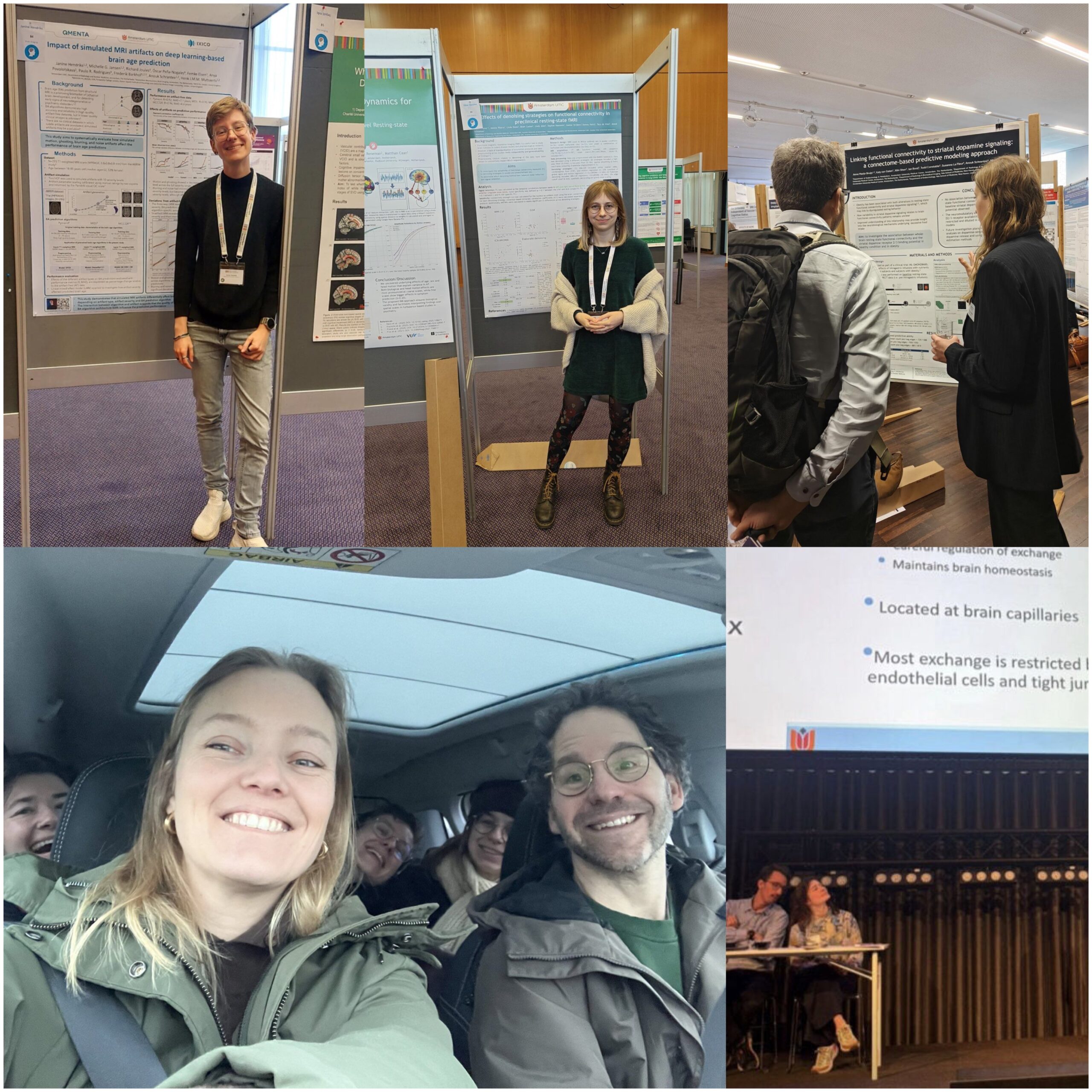
Conference time!
The NeuroFunc team kicked off the year with two great conferences!
First stop: the Amsterdam Neuroscience Annual Meeting, which featured a fantastic and truly interdisciplinary session on brain and human cognition and a great YAN session. Eline and Janine represented us proudly with their poster presentations, and the afternoon neurostimulation session hosted by Odile A. van den Heuvel sparked plenty of inspiration.
A week later, we headed to Antwerp for the ISMRM Benelux Chapter meeting—another full day of great science. Again, the team was well represented with Eline, Janine and Anne Marijn showcasing their work, and Daphne Boucherie expertly moderating a Neuroimaging session!
We headed home with plenty of new ideas and inspiration, and look forward to the next one! 🙂
-
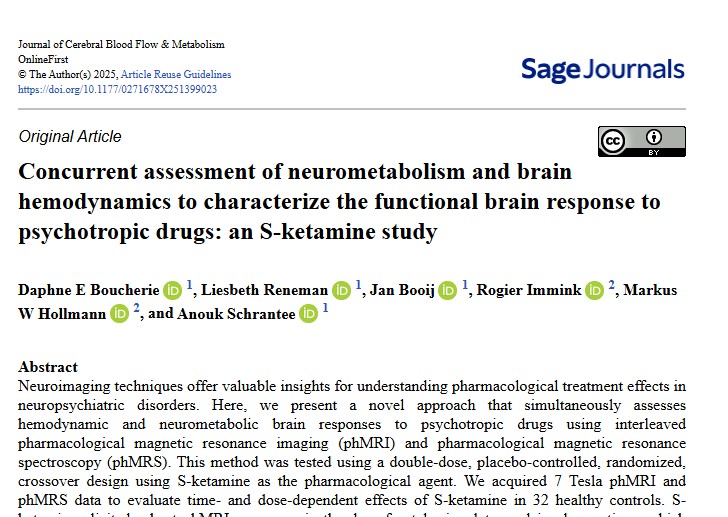
New paper! Combining phMRI and phMRS measurements to measure the effect of medication on the brain
Daphne’s paper, entitled “Concurrent assessment of neurometabolism and brain hemodynamics to characterize the functional brain response to psychotropic drugs: an S-ketamine study,” has been published in the Journal of Cerebral Blood Flow and Metabolism. In this study, we employed a novel approach to investigate the brain’s response to S-ketamine by combining interleaved pharmacological MRI (phMRI) and magnetic resonance spectroscopy (phMRS), enabling the simultaneous assessment of hemodynamic and neurometabolic changes.
You can find the paper here.
-
VIDI awarded to Anouk
Anouk received a Vidi grant to continue her work on functional and neurometabolic neuroimaging in psychiatric disorders. Using (f)MRS, fMRI and computational modeling she will investigate how different treatments affect brain networks through changes in neurotransmitter systems. She will be hiring at the start of next year, so stay tuned!
-

Review alert!
Together with four experts in the field, Anouk published a review on Pharmacological MRI in jMRI. In this invited review they discuss different phMRI methods, in terms of acquisition and analysis. They also consider the use of phMRI in conjunction with other neuroimaging techniques and discuss major findings across both preclinical and clinical phMRI fields. Find it here (open access): https://onlinelibrary.wiley.com/doi/epdf/10.1002/jmri.70160
-

ECNP 2025
The NeuroFunc lab had a great time at the ECNP conference, which conveniently took place in Amsterdam this year! With many inspiring lectures, and Eline and Zarah presenting their posters, it certainly was an engaging and productive meeting.
-

Paper alert! Long-term effects of stimulant treatment on brain function
Zarah’s new paper, “Association between long-term stimulant treatment and the functional brain response to methylphenidate in adolescents and adults with ADHD”, is now out! We found no evidence for long-lasting effects of stimulant medication use on functional brain development. Interestingly, we did find links between dopamine- and noradrenaline-related brain function and the extent of stimulant treatment, which were already present before treatment initiation and were unrelated to ADHD symptom severity. This highlights the potential of pharmacological MRI to detect individual differences in brain haemodynamics linked to stimulant treatment patterns.
Read it here!
-
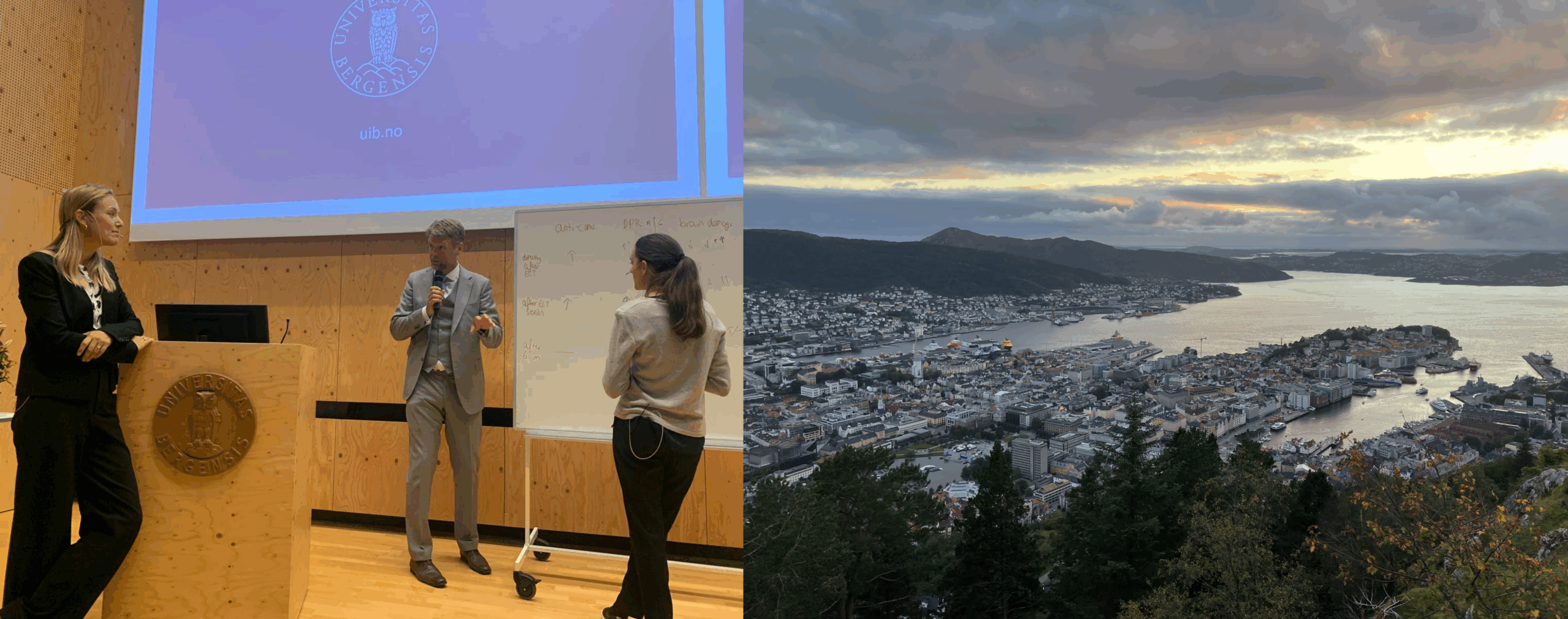
PhD defense in Bergen
Anouk had the great pleasure of traveling to Bergen to take part in the PhD defense of Vera Jane Erchinger. Vera presented a wonderful and insightful trial lecture, and they had an engaging discussion about the role of MRS in psychiatry. Congratulations to Vera on successfully defending her thesis, and thanks to everyone for a truly inspiring weekend in Bergen!
-
Neurofunc Summer Outings
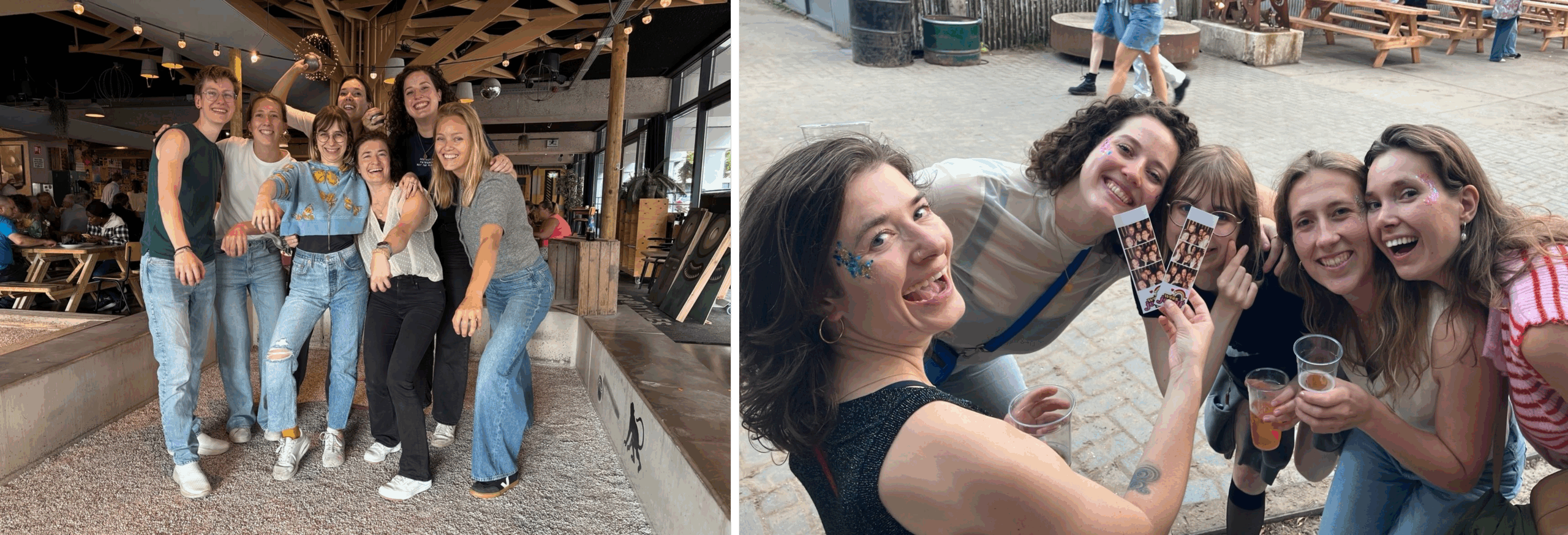
Summer at Neurofunc came with both celebrations and farewells. Our colleague Michelle has found an exciting new opportunity, but of course we couldn’t let her leave without marking the occasion. We enjoyed a fun evening of jeu de boules, followed by dancing and celebrating together at the Amsterdam UMC Wees Jezelf Festival.
-
EuroPAD Symposium Barcelona
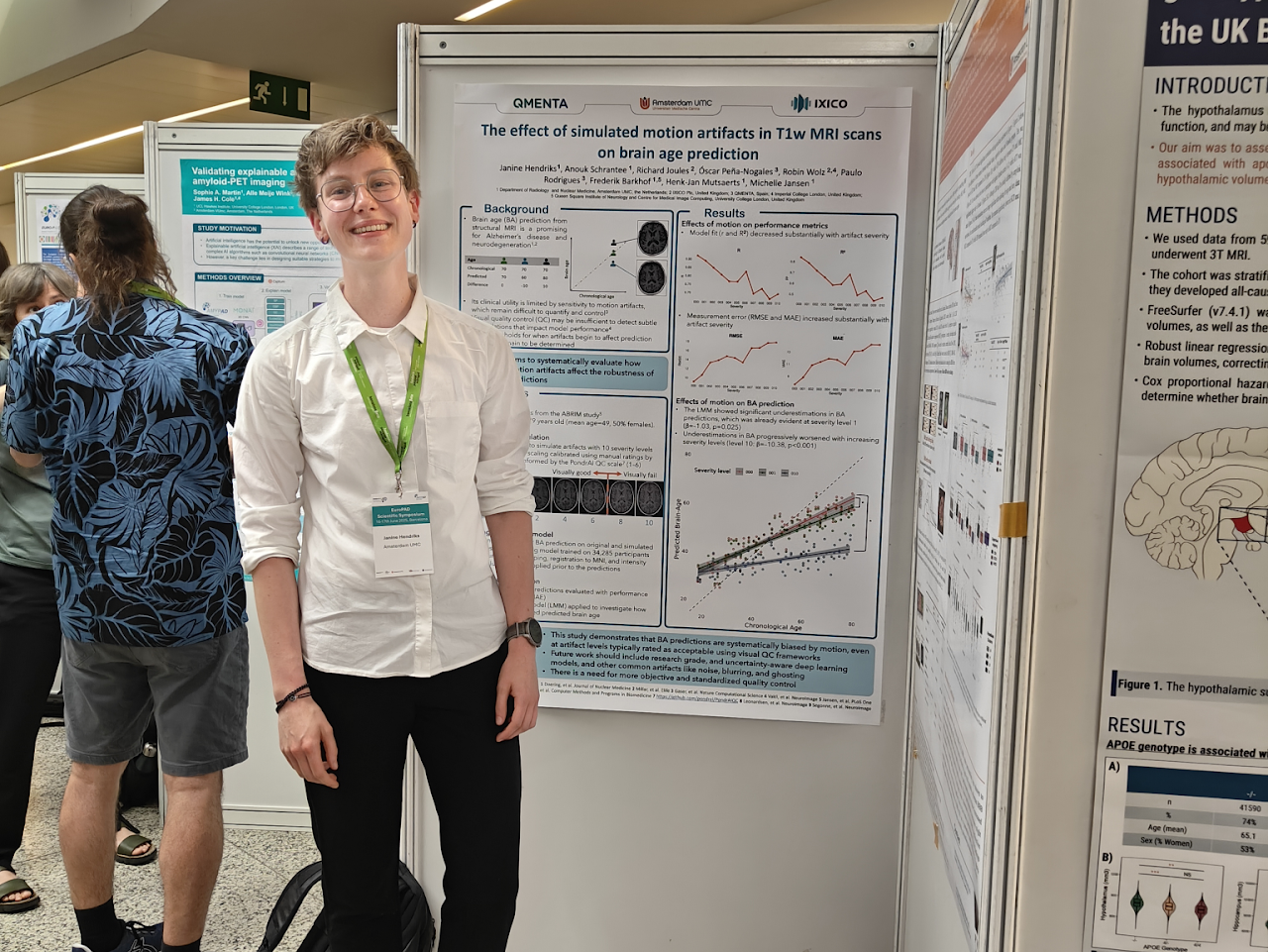
Janine had a great time at the EuroPAD symposium last June. They also had the chance to visit the research institute BBRC and the company QMENTA, both incredibly insightful stops . All in all, a super productive week with valuable connections and some nice catch-ups with familiar faces!
-
Best Paper Award for Daphne
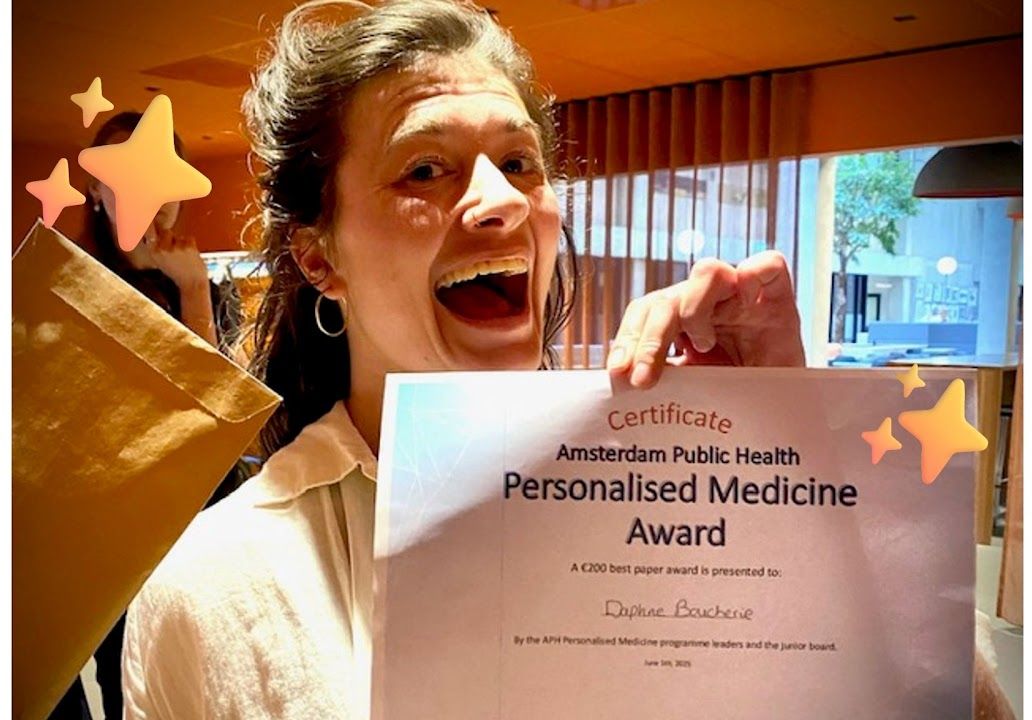
In June, Daphne received the Best Paper Award from Amsterdam Public Health, Personalized Medicine! She submitted her ENIGMA paper, a shared first-author publication with Maarten Poirot. You can find the winning paper here.
-
Anne Marijn Bruijn joins the lab
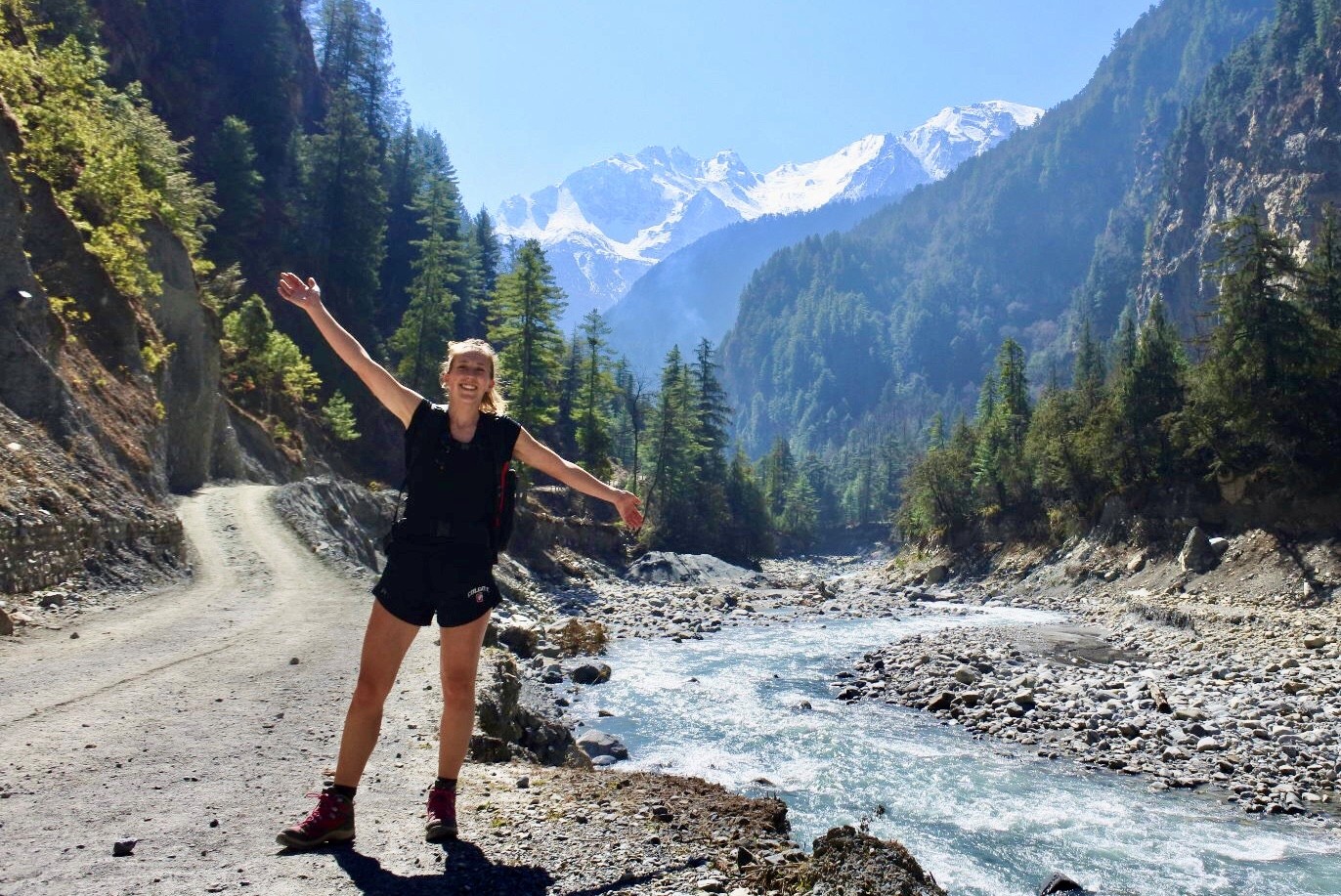
Anne Marijn joined our lab in June 2025. During her PhD, she will use advanced neuroimaging analyses to examine the influence of sex on the dopamine system in obesity.
-
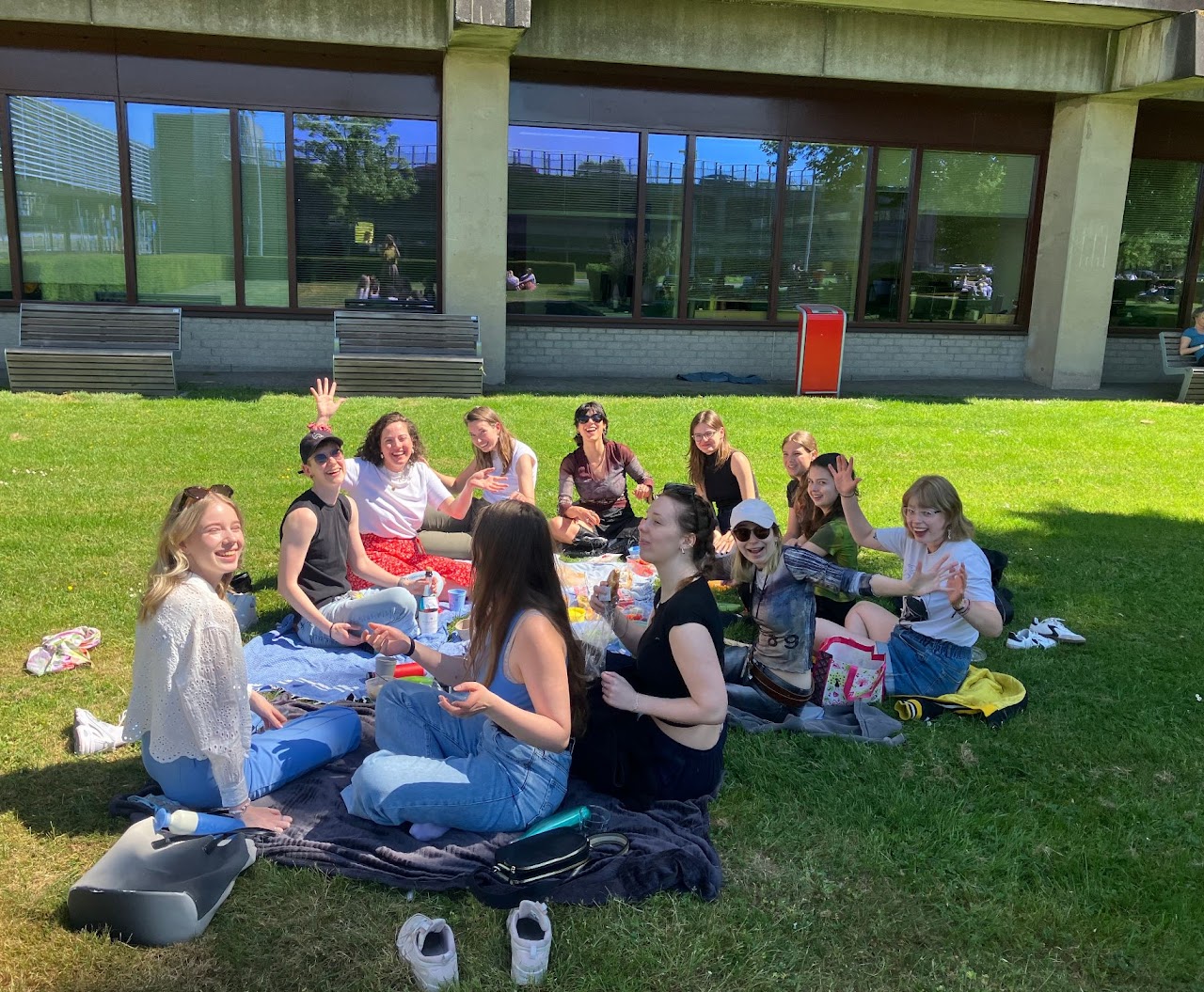
Spring picnic
Last week we took a break from the lab and enjoyed a spring picnic outside with the whole team, including our students. The weather was warm, the snacks were good, and it was a nice moment to catch up, relax, and enjoy some time together away from screens and schedules. This time of year always seems to fly by, with people soon heading into final stages of their projects or moving on to new things — so it was great to pause and enjoy a relaxed afternoon together.
-

TN2 Symposium
Eline recently had the pleasure of organizing a symposium on Heterogeneity: Finding Unity in Uniqueness as part of the Translational Neuroscience Network (TN2). It was an inspiring day filled with diverse perspectives, engaging discussions, and a shared passion for understanding complexity in neuroscience. It was Eline’s first time moderating panel discussions in an event of a larger scale, which was a rewarding and fun experience. We’re already looking forward to the next TN2 event, which is coming very soon!
-
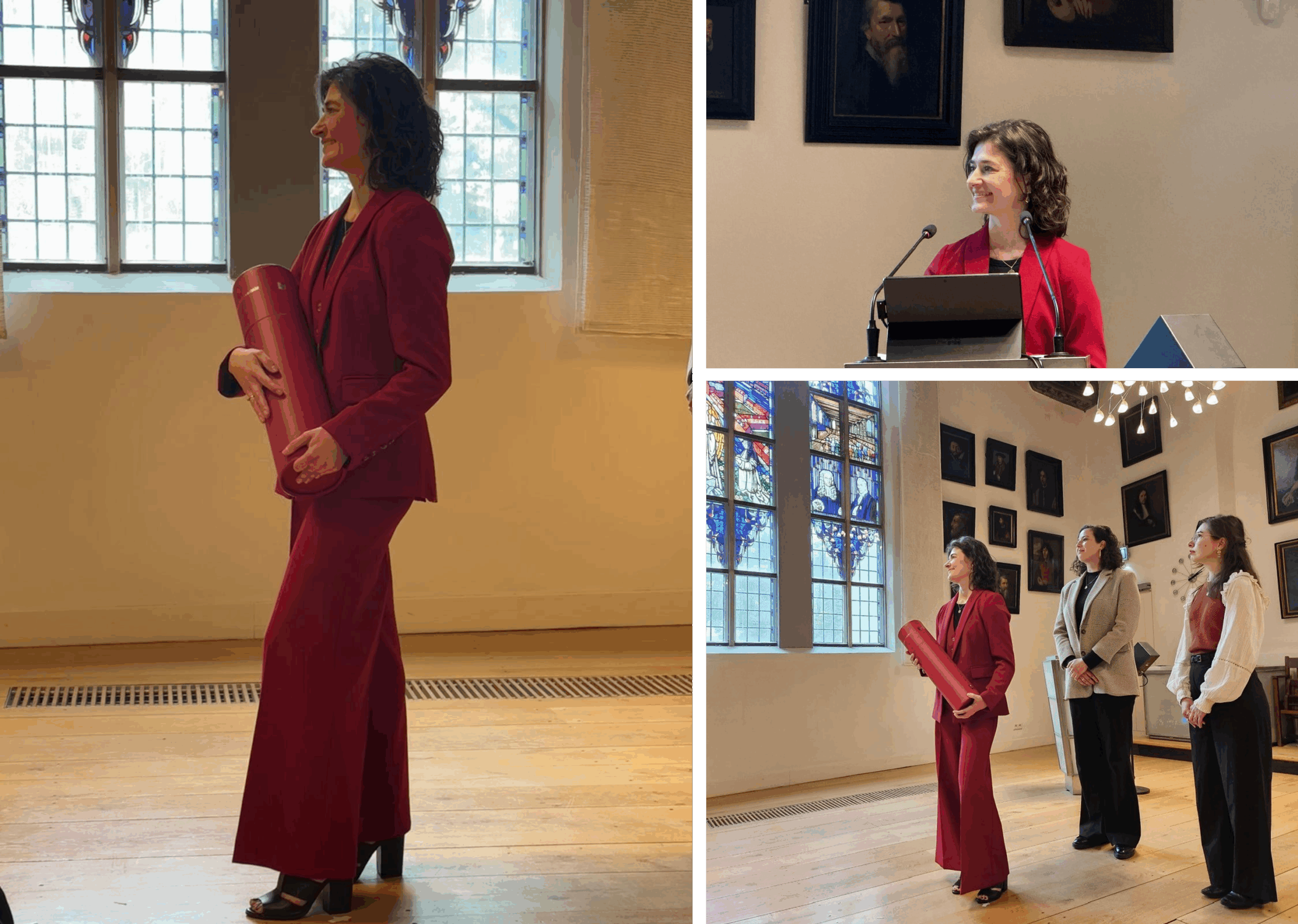
Dr. Daphne Boucherie!
On May 6th, Daphne successfully defended her thesis entitled “Characterising Mechanisms Underlying the Brain’s Response to Antidepressant Medication: Novel Insights from Neuroimaging“. Congrats to Daphne for a great defense!
She will stay at the AMC as a post-doc, investigating the effects of technology use on loneliness using neuroimaging.
-
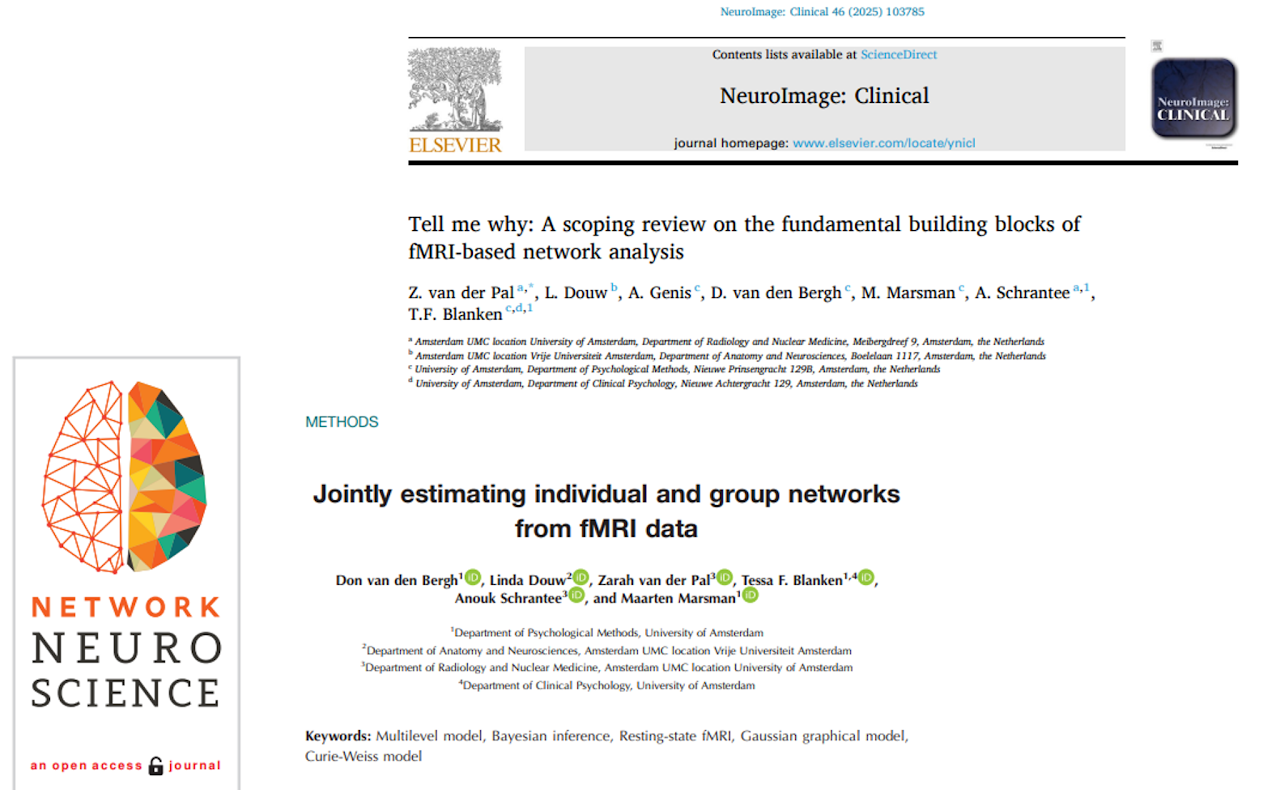
Two GIN🍸 papers published!
The scoping review and methods paper, as part of the Group Individual Network (GIN) project, have been published!🎉 In the scoping review, we characterise fundamental building blocks of fMRI-based network analysis and discuss important underlying assumptions and implications for (clinical) interpretation of network results. The methods paper proposes a novel method to jointly estimate individual and group-level networks from fMRI data using a Bayesian multilevel network model, which can facilitate simultaneous exploration of individual differences and shared information.
Read them here! Scoping review and methods paper.
-
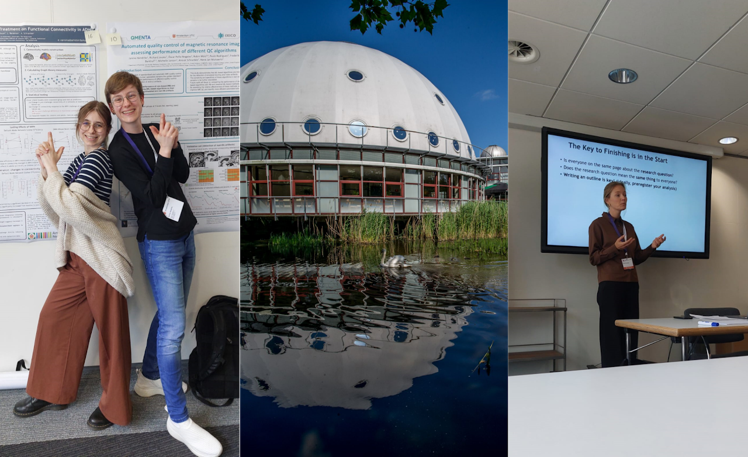
RNG Research Day
We attended the 4th annual RNG Research Day at planetarium Gaasperplas. The program was packed with insightful talks, engaging workshops, and plenty of network opportunities including poster sessions. A perfect day for learning, exchanging ideas, and connecting with others in the department. Already looking forward to the next one!
-
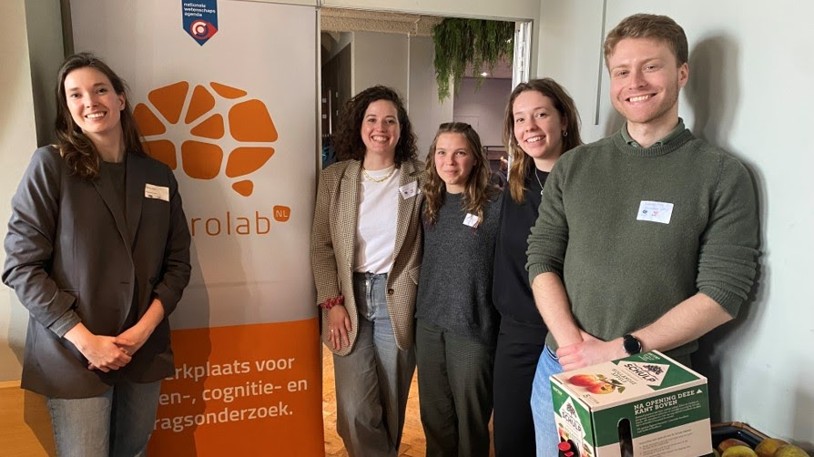
Brain Cognition & Behaviour day
On March 26th, Federico, Michelle, Sumari, Thea and Zarah visited the Brain Cognition & Behaviour day organised by Young Neurolab.nl and BCB NL at the Social Impact Factory in Utrecht. The theme was “Current state, challenges, and future perspectives of BCB research in NL”, with stimulating lectures and panel discussion. Moreover, we contributed to a white paper highlighting the importance and current societal need for fundamental brain, cognition and behaviour research. All in all, it was an inspiring day!
-
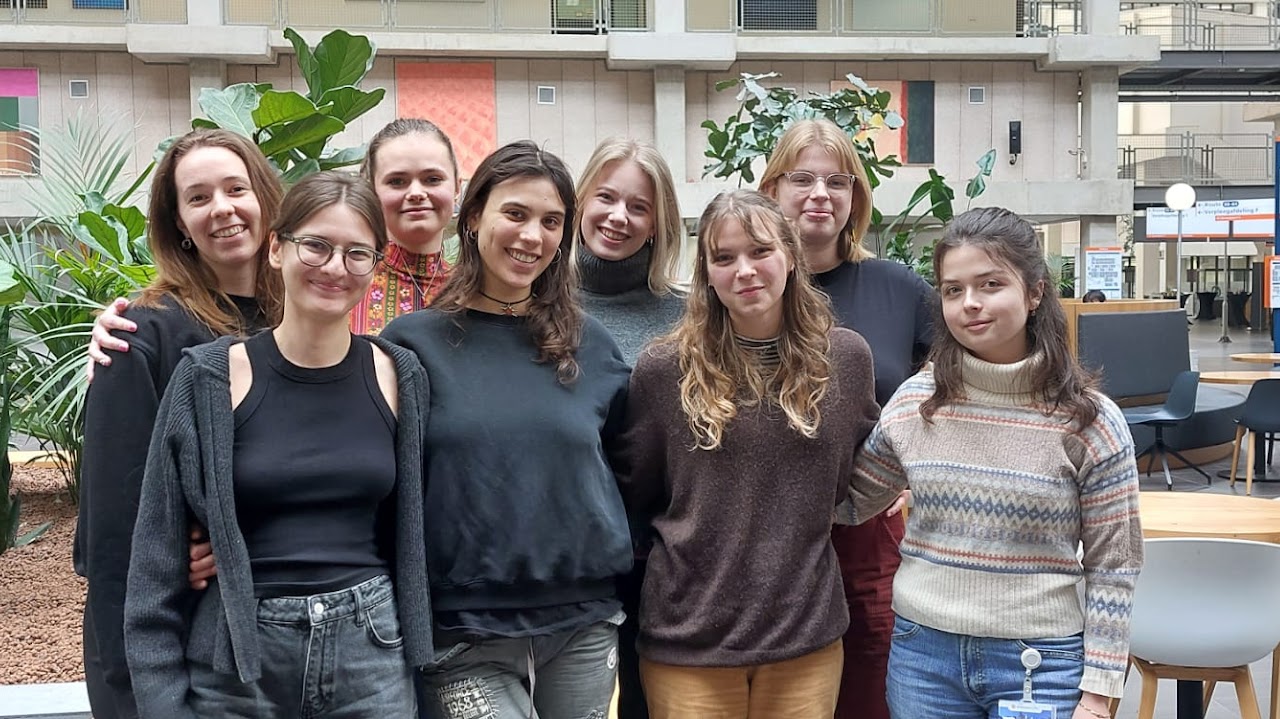
New generation of interns
With the beginning of the new year, NeuroFunc lab welcomes 8 new interns – the largest group we had yet! – to join us on a variety of projects. We are looking forward to working with them the next couple of months, and hope that they learn a lot of new and exciting things!
-
New paper alert!
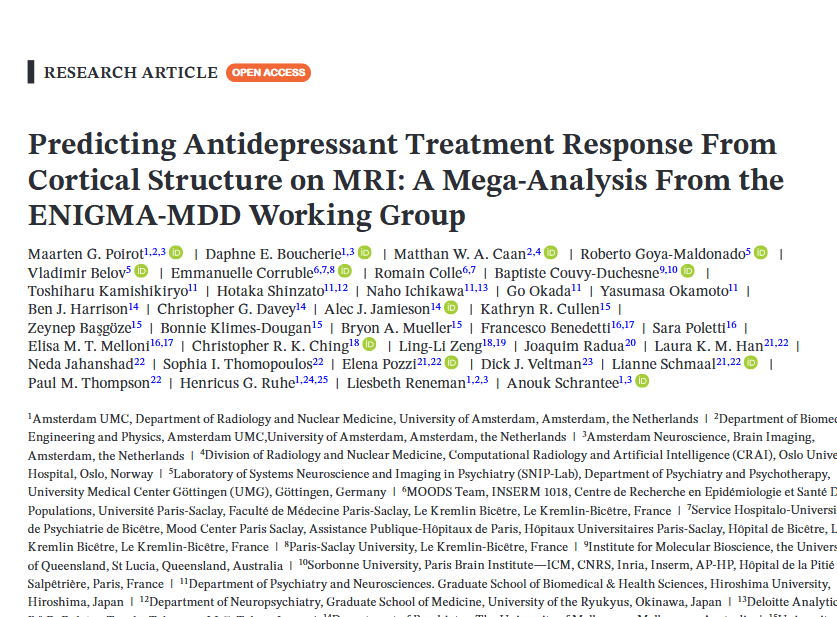
Daphne has published her third paper, which she wrote together with Maarten Poirot. In this collaboration with the department of Biomedical Engineering and Physics at the Amsterdam UMC, we investigated whether we could predict antidepressant treatment outcome in individuals with major depression disorder (MDD) based on baseline structural MRI data.
If you’re interested in our findings, you can find the publication here!
-

Anouk Associate Professor
As of January 1, 2025, Anouk was appointed as Associate Professor, at the Department of Radiology and Nuclear Medicine.
-
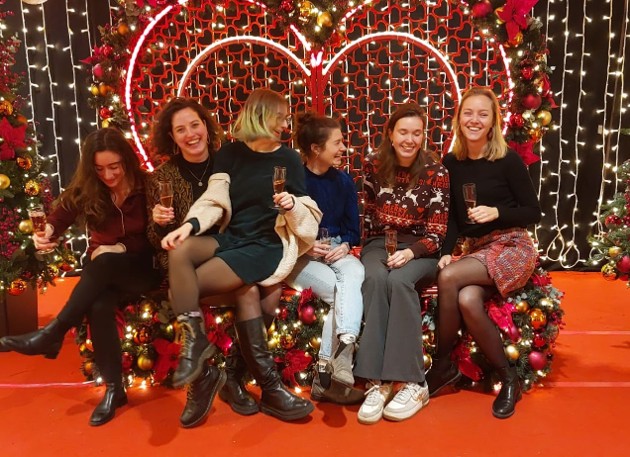
NeuroFunc Wrapped!
The NeuroFunc team celebrates an exciting year of publishing papers, attending international and domestic conferences, Michelle joining our lab as a post-doc, Daphne wrapping up her PhD trajectory, and Anouk becoming an associate professor! We wish everyone a happy and productive 2025, and we’re looking forward to another exciting year of research and fun!
-
Amsterdam Neuroscience Meeting
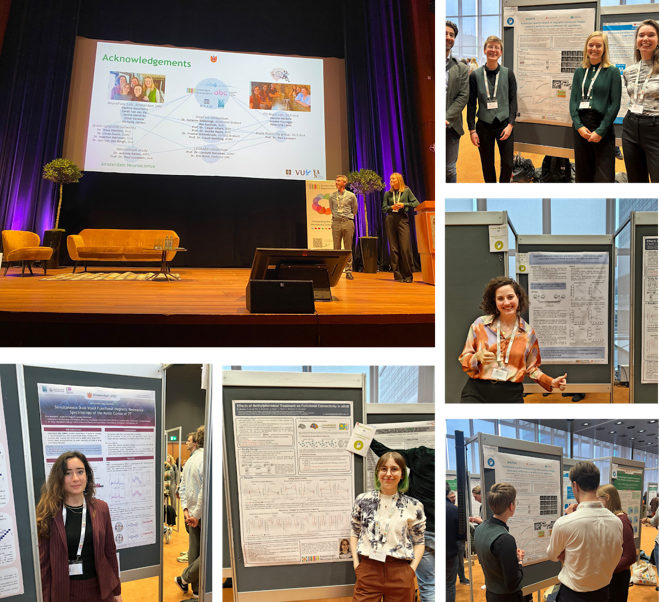
We attended the annual Amsterdam Neuroscience Meeting! We caught up with colleagues from other labs, were greatly inspired by the talks on rare neurological diseases, and touched by the heartfelt testimony from the parents of two young patients. Zarah, Janine, Eline and Sara presented their latest works during the poster sessions, while Anouk gave a joint talk with Joram Mul on revolutions in neuroscience.
-
Paper alert! Symptom interrelations in ADHD
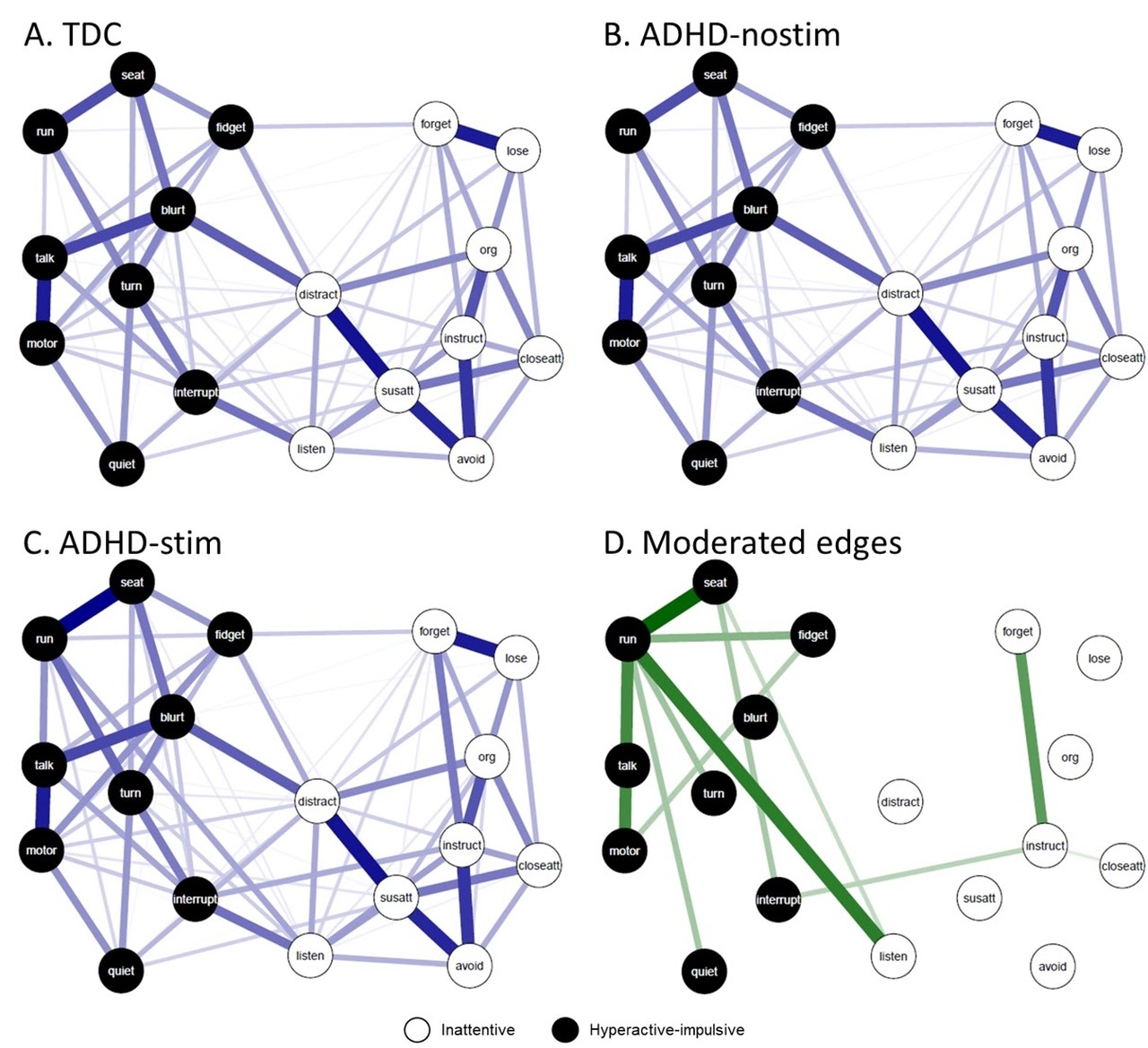
Zarah has published her second paper, entitled “Stimulant medication and symptom interrelations in children, adolescents and adults with attention-deficit/hyperactivity disorder”. This study characterized and compared symptom networks between stimulant-treated and untreated individuals with ADHD and non-ADHD controls. We found stronger associations between symptoms in stimulant-treated individuals with ADHD, compared with the other two groups. Interestingly, these differences appear to be related to strength of the symptom associations rather than (local) network structure.
Find out more here!
-

ONWAR annual meeting 2024
Eline attended the annual ONWAR meeting. ONWAR is the graduate school of neurosciences of Amsterdam and Rotterdam. During this two-day meeting, Eline attended many interesting and unconvential talks, poster sessions, and had the chance to meet other PhD candidates in similar fields, but from different research institutes. Cannot wait to attend next year’s annual meeting!
-
ISMRM Virtual Study group
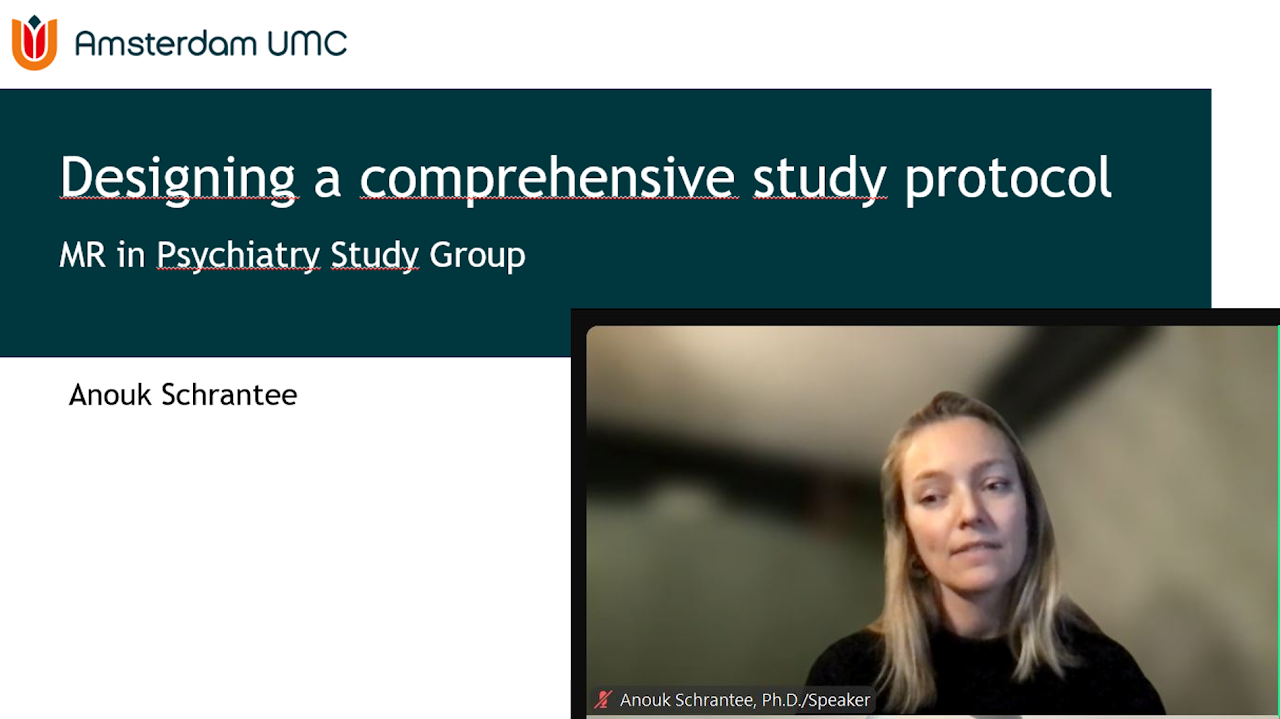
Anouk presented on ‘Designing a Comprehensive Study Protocol’ in the MR in Psychiatry study group Virtual Meeting. In this educational session: Designing an applied MRI study in the field of MR in Psychiatry (in a clinical population), Anouk presented together with Dr Wisnowski, who covered statistical analysis and study design inequities.
-
Eline Joined TN2
Eline joined Translational Neuroscience Network! Hoping to connect and bring together researchers who with translational neurosciences as the common denominator in their work. We’re looking forward to fun networking opportunities, insightful webinars, and getting to know other researchers in similar fields!
-
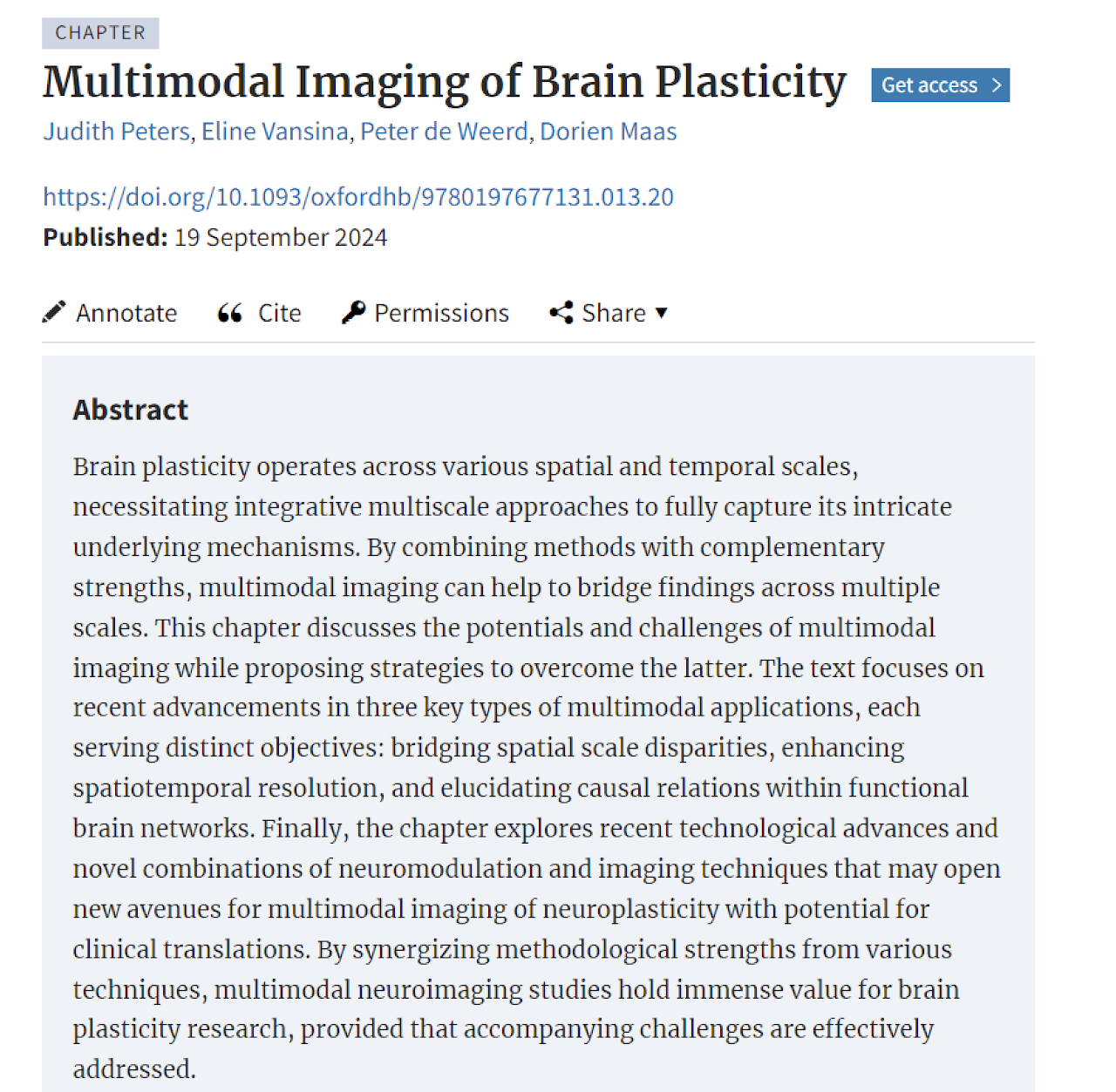
Chapter on Multimodal Imaging Published
Together with researchers at VUmc and the Maastricht Brain Imaging Centre, Eline contributed to a handbook chapter that explores the latest advances in the multimodal imaging of brain plasticity. The chapter discusses novel and established multimodal applications, the combination of neuromodulation techniques and imaging techniques, and discusses the implications potential for translational research. This marks Eline’s first publication as a co-author!
Find out more here.
-
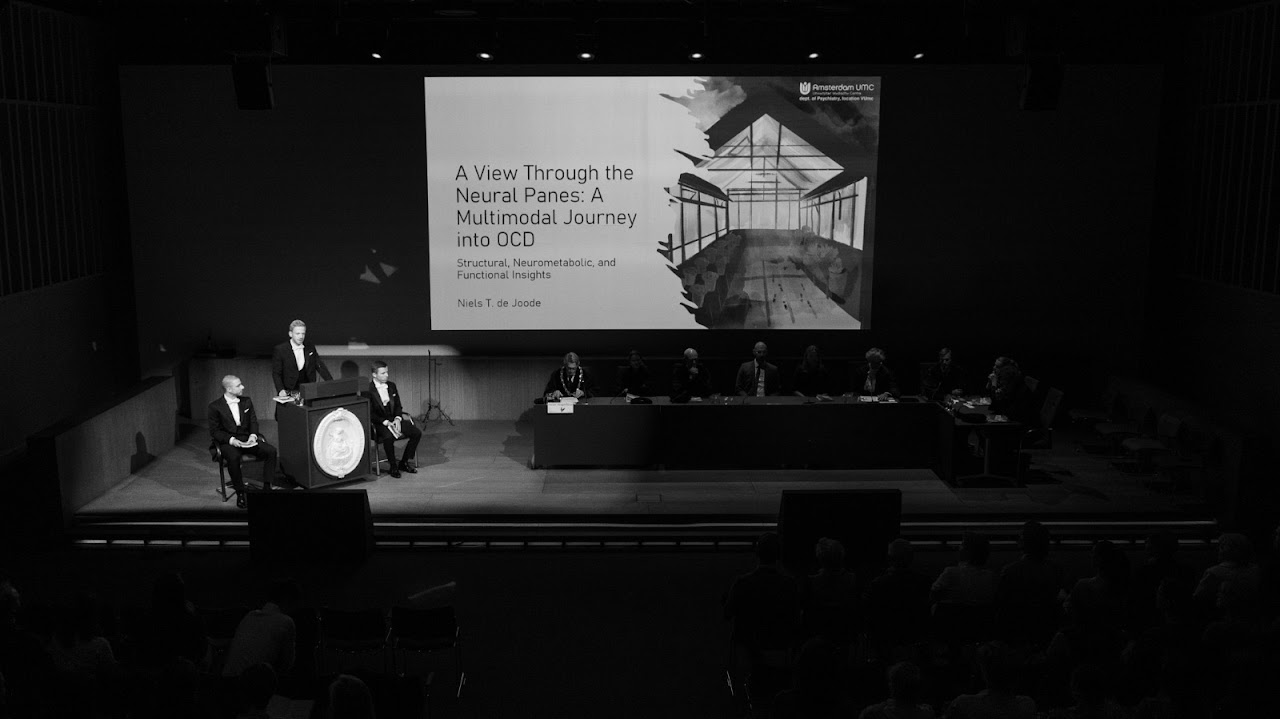
Dr. Niels de Joode
On the 7th of October, Niels de Joode successfully defended his thesis “A view through the neural panes: a multimodal journey into OCD”, which was supervised by Chris Vriend, Anouk Schrantee, Ton van Balkom and Odile van den Heuvel. Niels did a great job and was lauded by all opponents for takling such a challenging fMRS study at 7T. We enjoyed the celebratory day and great party on Friday!
-
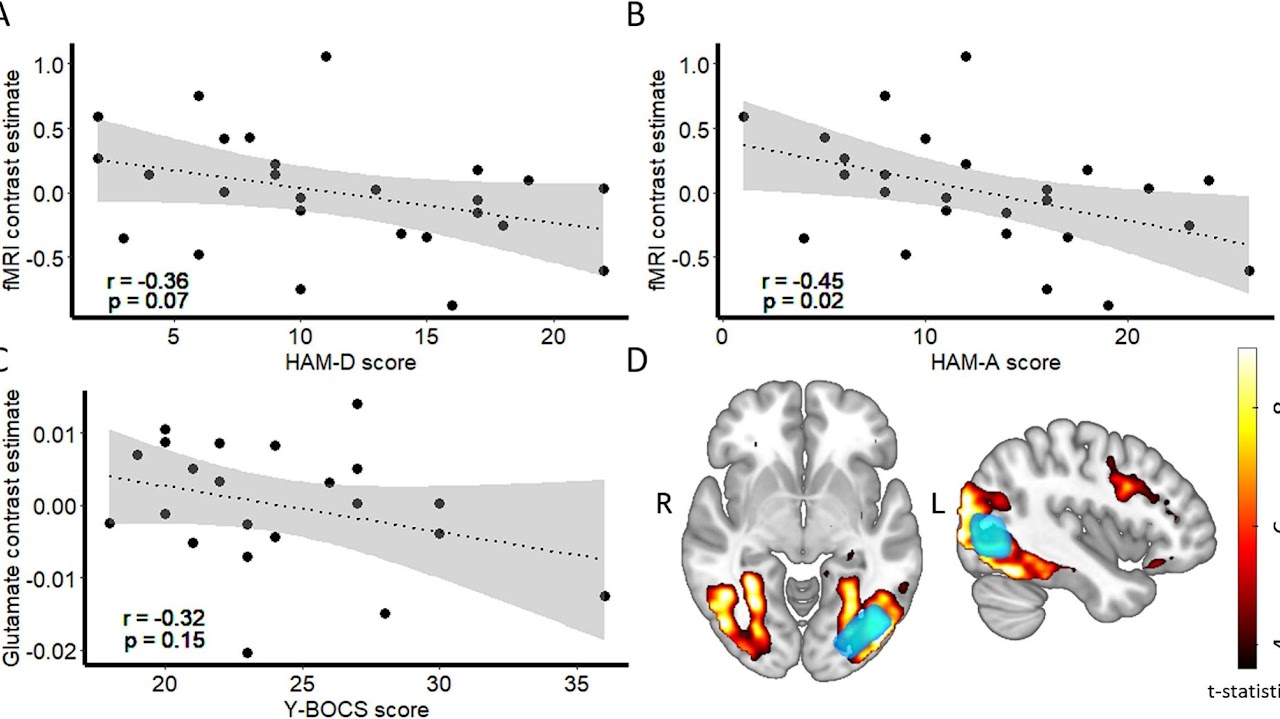
SPECTROS paper is out!
Niels’s paper entitled “Glutamate dynamics and BOLD response during OCD symptom provocation in the lateral occipital cortex: A 7 Tesla fMRI-fMRS study” is now out! We showed significant glutamate increases during symptom provocation across groups, as well as a negative correlation between lateral occipital BOLD response and HAM-A scores in OCD. This study highlights the feasibility and potential of fMRS-fMRI for understanding psychiatric disorders.
Find out more here
-
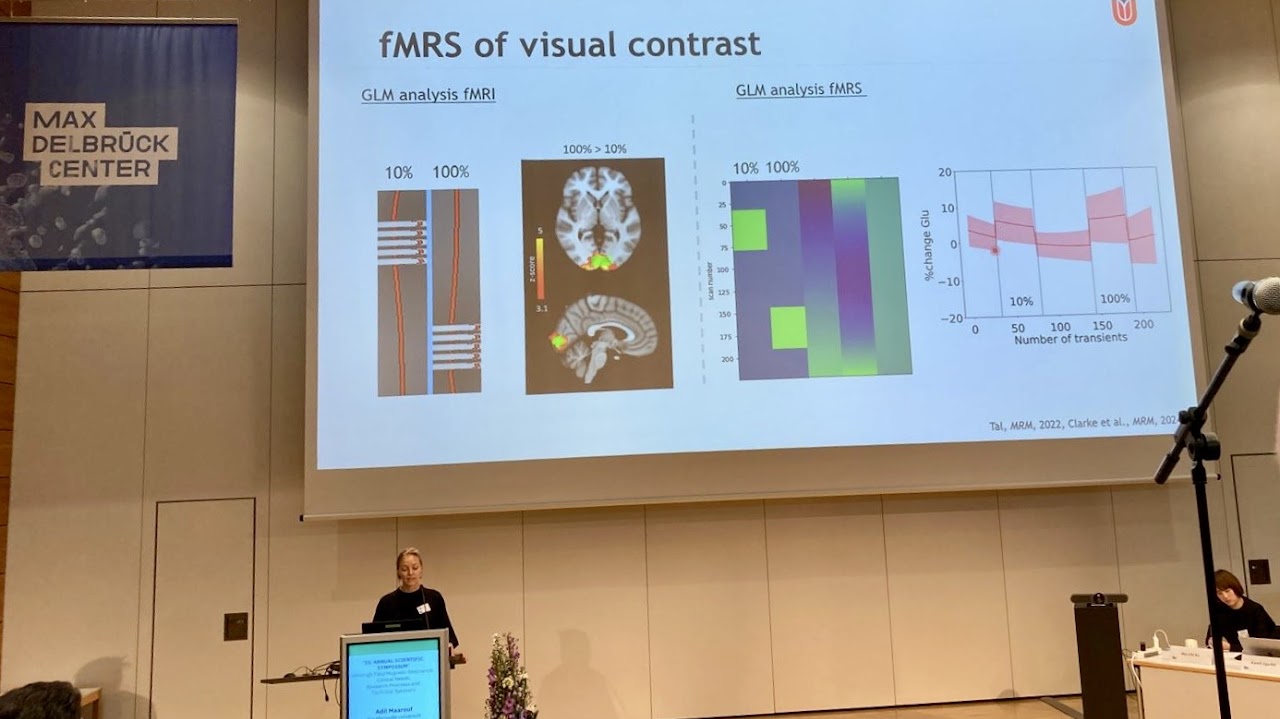
Ultra-high Field Symposium
Anouk visited Berlin for the Ultra-High Field Symposium at the Max Delbrück Center in Berlin, where she gave a presentation on combined fMRS and fMR at 7T. It was a great and varied day, with lots of exciting new MRI technologies, ranging from low-field (0.55T) to ultra-high fields (21T). Great to meet new people and explore the beautiful city of Berlin.
-
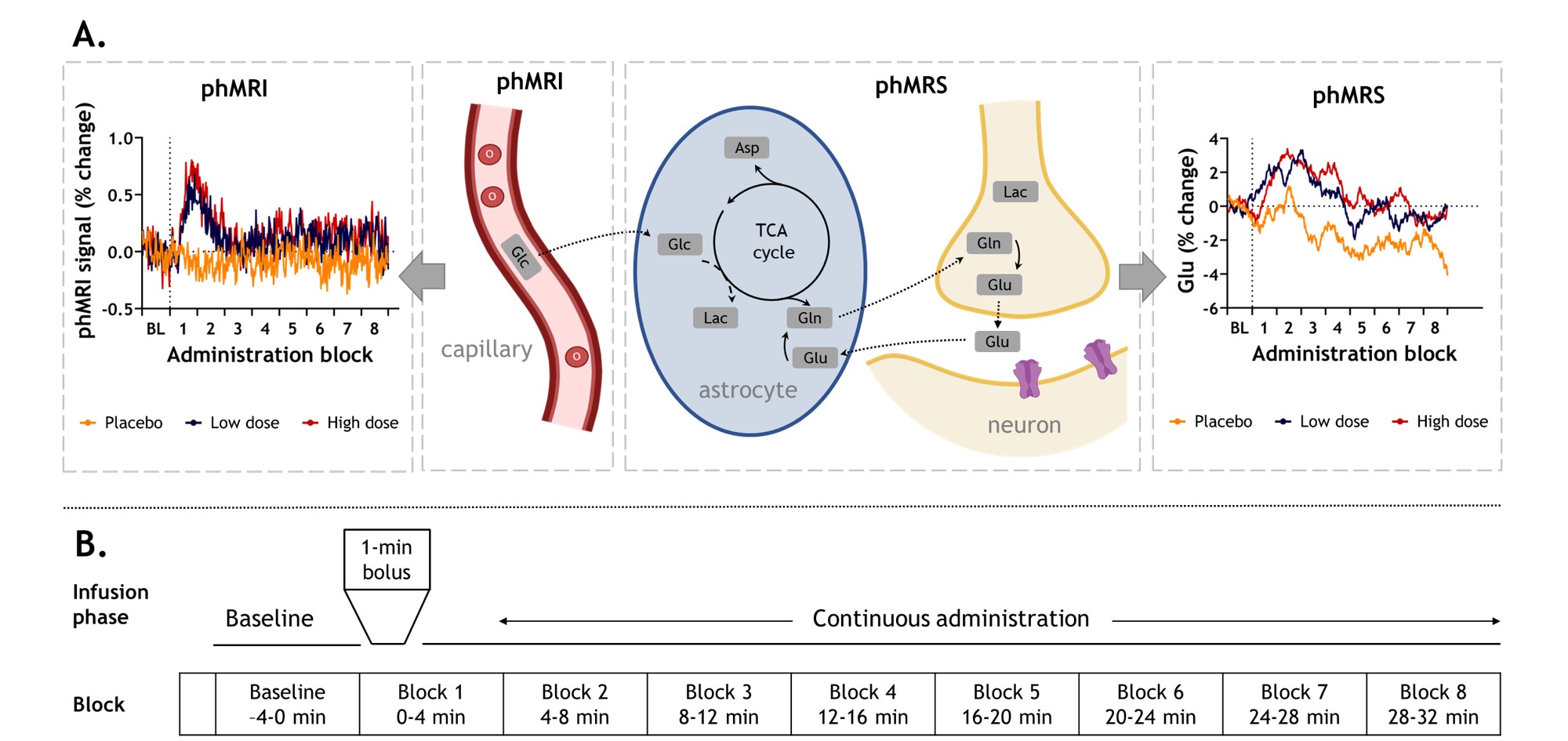
Preprint out! Pharmacological MRS
Daphne’s third paper is now published as a preprint, entitled “Concurrent assessment of neurometabolism and brain hemodynamics to characterize the functional brain response to psychotropic drugs: an S-ketamine study”. We applied a novel approach to studying the brain’s response to S-ketamine using interleaved pharmacological MRI (phMRI) and magnetic resonance spectroscopy (phMRS), capturing both hemodynamic and neurometabolic changes simultaneously.
You can find the preprint here.
-
Two preprints from the Group Individual Networks project
As part of the Group Individual Networks (GIN 🍸) team, Anouk and Zarah worked on a project to obtain a snapshot of commonly used methodologies in fMRI network analysis (scoping review) and develop a novel method that takes into account the nested structure of most fMRI studies (methods paper). In the scoping review, we characterized what we consider the fundamental building blocks of network analysis (sample size, network size, association type, edge inclusion strategy, edge weights, and modeling level), highlighting the need for careful consideration and transparent reporting of the used approach. The methods paper presents a Bayesian multilevel network model to jointly estimate individual-level and group-level resting-state fMRI networks, which may provide a solution to disentangle individual and group network topology.
Both preprints are available on PsyArXiv: scoping review and methods paper.
-
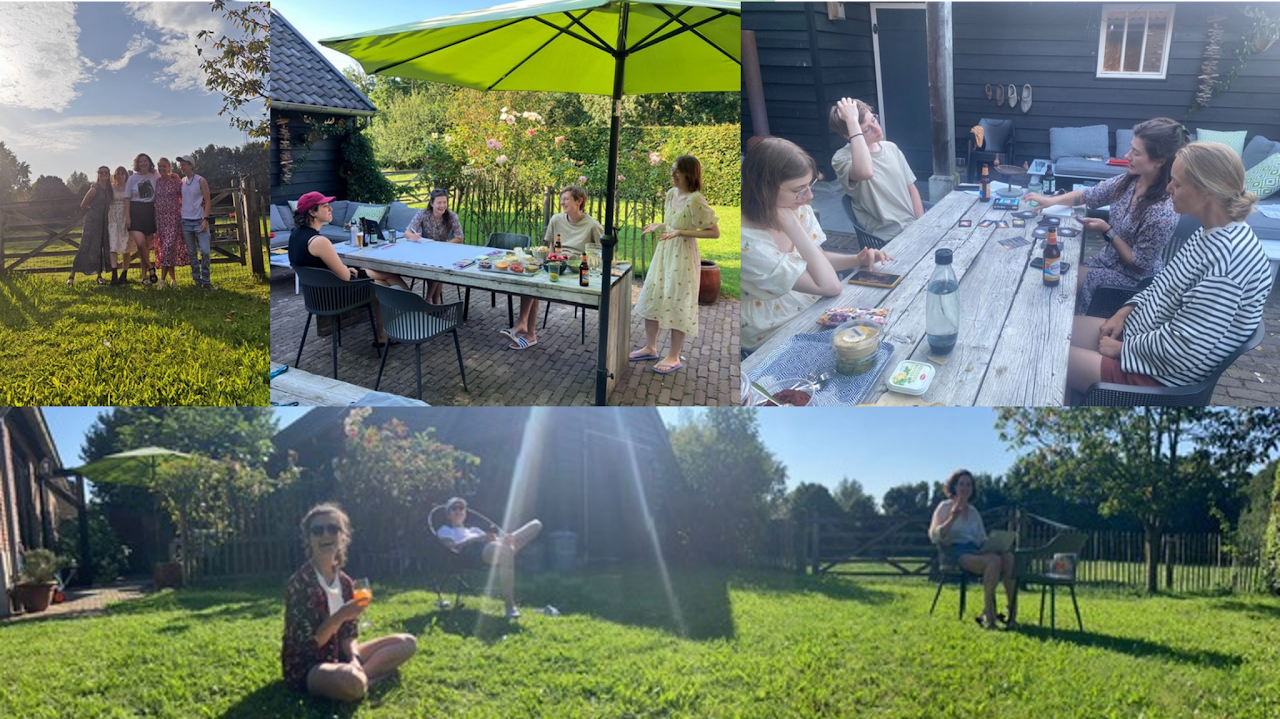
Summer writing retreat
In July, our lab went to ‘s Hertogenbosch for a writing retreat! We had a couple of productive days there filled with writing, brainstorm sessions, and with a healthy dose of games, and sunshine
-
Final inclusion for the ePOD project
On June 18th, Zarah completed the ePOD project’s final study day 🎉 With 133 participants and 180+ hours of MRI scans, this extensive dataset will provide critical insights into the effects of stimulant medication on brain development. We thank all participants for their contributions and are excited to start analyzing the data! Check out our website to stay updated on the results: https://epod-study.nl/
-
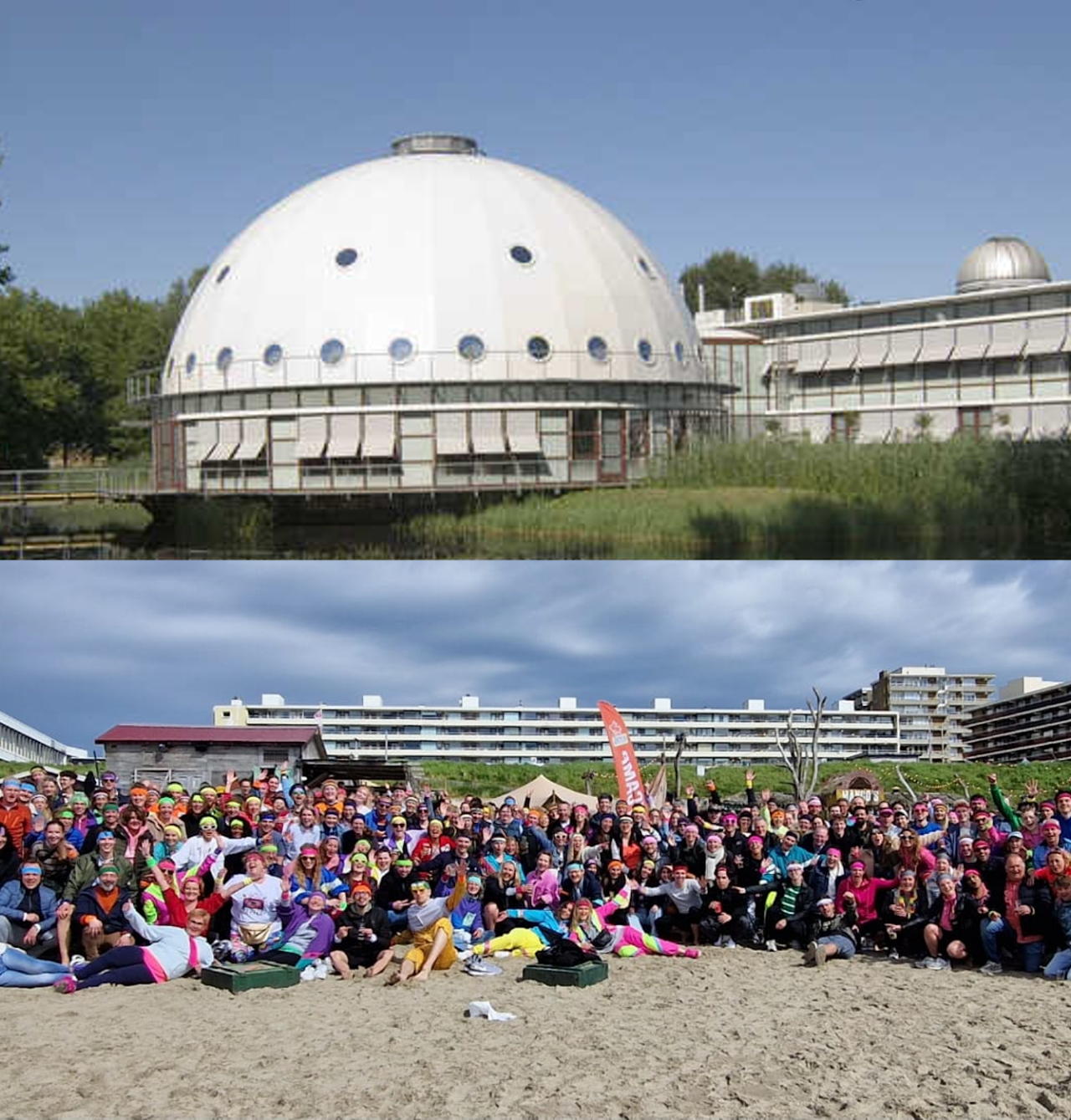
RNG outings!
Recently we’ve had multiple educational & fun outings with the Radiology & Nuclear Medicine (RNG) department. In April, the annual RNG research day took place at the Gaasperplas planetarium. The day was filled with stimulating talks and workshops, and Daphne, Eline and Zarah presented their research. In June, the entire RNG department travelled to the beach for teambuilding games and a summer barbeque. Both days were a great occasion to connect (& dance!) with colleagues from both Amsterdam UMC locations!
-

Paper alert! Stimulant effects on cortical thickness
Zarah’s first paper was published, entitled “Stimulant medication use and apparent cortical thickness development in attention-deficit/hyperactivity disorder: a prospective longitudinal study”. This study evaluated the relation between regional cortical thickness and long-term medication use in adolescents and adults with ADHD. The results provide no evidence for medication effects on cortical thickness development, but do show age-related differences in cortical thickness, in line with literature on typical cortical development. You can find the paper here!
-
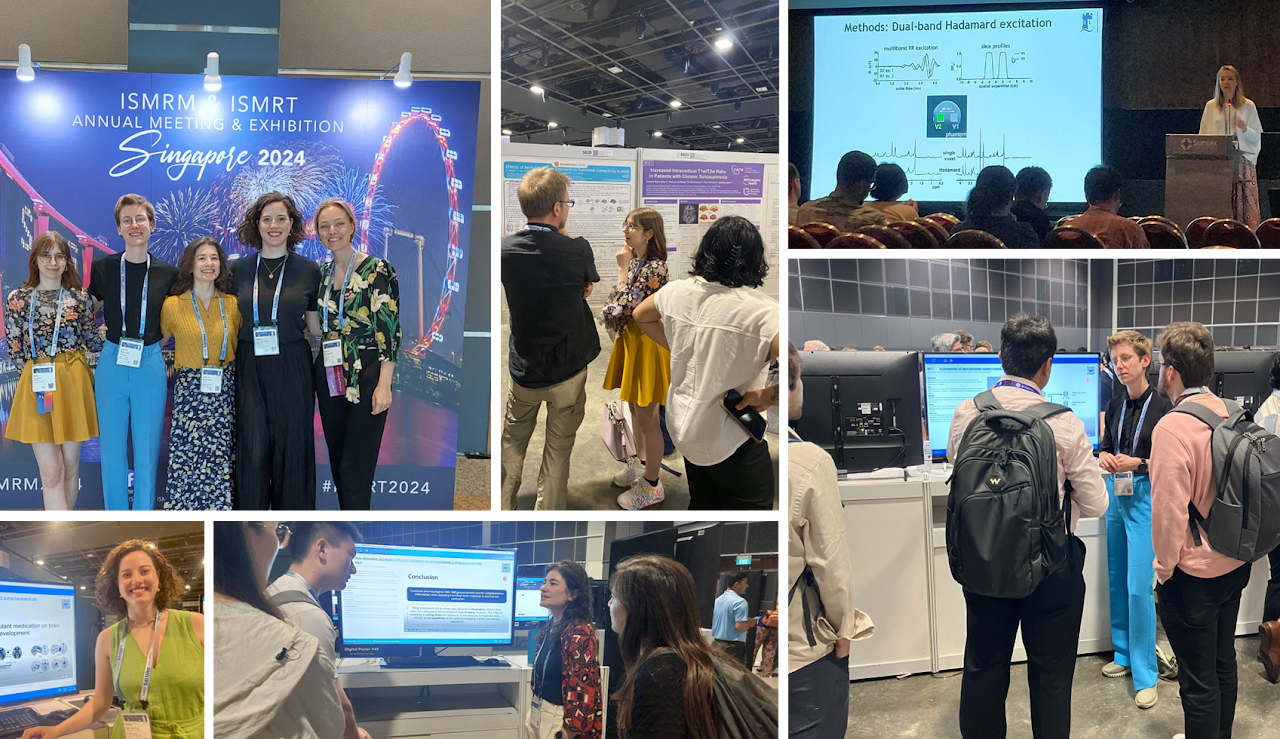
ISMRM Singapore 2024
Our lab just returned from an exciting chapter of the ISMRM conference, hosted in Singapore, where Daphne Boucherie, Zarah van der Pal, Janine Hendriks and Eline Vansina presented their work during the poster sessions. Anouk Schrantee hosted a talk on simultaneous two-voxel fMRS. Daphne Boucherie additionally presented her work during the study group meeting of “MR in psychiatry”, and won 1st price for her presentation , in addition to receiving the Magna Cum Laude Merit award as her abstract belonged in the 15% best of her subject category. This concludes a busy conference season on a high note!
-

ECNP Workshop Nice 2024
Eline Vansina travelled to Nice in France, where she attended the ECNP workshop for early carreer scientists. She presented her findings on the effects of methylphenidate treatment on resting-state functional connectivity during a talk, followed by a poster presentation. This marks her first time presenting at an international conference! 🎉
-

ISMRM Benelux 2024
We had a great time at the ISMRM Benelux this year 🎉 – a great venue and exciting science! Daphne Boucherie and Janine Hendriks presented their posters and Zarah van der Pal presented her work on stimulant-induced CBF changes in ADHD in the Neuro-Clinical session.
-

Social activities: VR escape room
Our lab got together for a fun, non-work related activity! After a very successful (and challenging) VR escape room session at the VR room, we had a chance to socialise over a nice dinner at Warmoes in Utrecht.
-

ISMRM and Singapore, here we come!
Our lab will be visiting Singapore for the ISMRM conference in May 2024, as our abstracts were all accepted! Cheers to Anouk who will give an oral presentation; and to Zarah, Eline, Daphne and Janine who will have scientific posters. Hope to see you there!
(Photo by Mike Enerio on Unsplash)
-

Margo Slomp defended her thesis
Congrats to Dr. Slomp on a great defense! On January 19th 2024 Margo defended her PhD thesis on “Decoding the control of food intake: insights from the habenula and hypothalamus”. She conducted a truly translational project in which she investigated the role of the habenula, a small nucleus involved in the response to the absence of anticipated reward, in food intake. In February, she will move to the US for a post doc in the lab of Dr Berke at UCSF.
-
100th participant for the ePOD project!
On January 17th, Zarah celebrated a significant achievement by conducting the MRI scan for our 100th participant in the ePOD project! With just 25 more participants to go, our research into the effects of ADHD medication, like methylphenidate, on brain development is progressing rapidly. Stay tuned for updates on our findings!
Want to know more about the ePOD project, the results so far, or are you interested to contribute to the project and participate? Take a look at our website or sign up!
-

Nieuwjaarsborrel RNG
Cheers to the new year at the Radiology and Nuclear Medicine party! We look forward to an exciting year of research in 2024!
-

First SANE-QC paper
Janine has recently published her first paper, titled “A systematic review of (semi-)automatic quality control of T1-weighted MRI scans” delves into the challenges posed by artifacts in MRI scans, which can compromise clinical and research outcomes. 18 distinct algorithms were identified, showcasing significant variations in methods, features, datasets, and benchmarks. This diversity shows the need for standardization and comparative studies, and also the importance of finding dataset-independent measures to assess QC performance, to advance QC in MR imaging
-

Amsterdam Neuroscience Annual Meeting
Our lab had an inspiring day at the Amsterdam Neuroscience Annual Meeting on December 8th, held at the Amsterdam RAI. From captivating lectures to engaging story slam presentations, the event was a showcase of the latest developments in neuroscience. Chaired by Anouk, Young Amsterdam Neuroscientists impressed with their innovative research projects. The day was a great chance to reconnect with familiar faces and forge new connections within the Amsterdam neuroscientific community, leaving us energized and inspired to contribute further to the field of neuroscience!
-

Dr. Wijdeveld!
Madelief defended her thesis on December 1st 2023 entitled “Gut-brain interactions affecting metabolic health in diabetes, obesity and aging”. With her joint neuroscience and medicine background she delved into exciting and demanding experimental neuroimaging set-ups to investigate the relation between the microbiome and brain responses to food-related cues using fMRI. Congratulations on this wonderful achievement Dr Wijdeveld.
-

7T visual fMRS study published
We published our paper “A 7T interleaved fMRS and fMRI study on visual contrast dependency in the human brain” in Imaging Neuroscience. In this collaborative effort of fMRS researchers we used a dynamic fitting method to assess visual contrast-dependent changes in neurometabolites. We observed a non-linear relation between visual contrast, the BOLD response, and the glutamate response. Interested? Have a read here: doi: 10.1162/imag_a_00031
-
Paper alert⏰
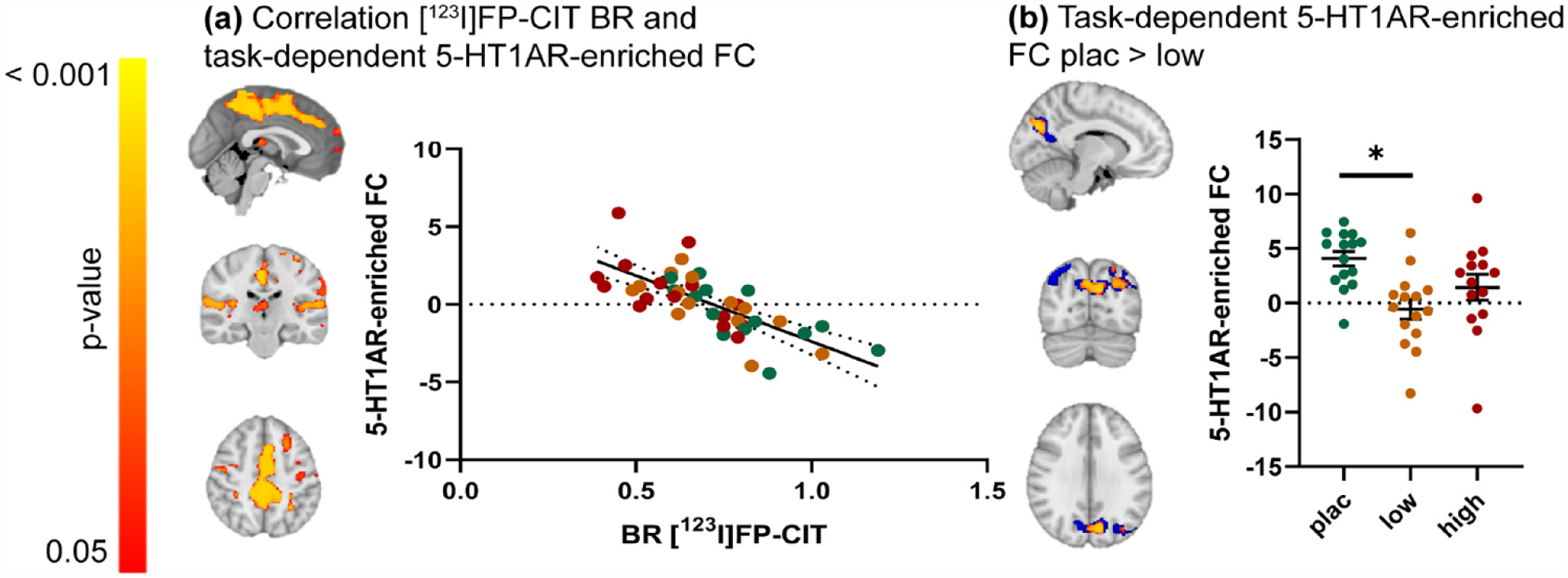
Daphne’s second paper was published, entitled “Modulation of functional networks related to the serotonin neurotransmitter system by citalopram: Evidence from a multimodal neuroimaging study”. This was a great collaboration with Dr Dipasquale and Dr Martins to use an existing SPECT and fMRI dataset to investigate the serotonin receptors associated with the functional brain response to different doses of citalopram. Our findings provide evidence for differential links between serotonin transporter availability and brain function within serotonin transporter and serotonin 1A receptor pathways and in context- and dose-dependent manner.
-

Liza Afzali-Hashemi defended her thesis!
Huge congrats to Dr Liza! Liza defended her thesis on the 24th of November 2023, entitled ‘Cerebral Hemodynamics and Oxygen Metabolism in Sickle Cell Disease’. It was a wonderful celebratory day! Liza worked on advanced 3T neuroimaging techniques to investigate cerebral perfusion and oxygenation patterns in patients with Sickle Cell Disease.
-

ECNP 2023 Barcelona
Our lab visited the ECNP conference for disease-oriented brain research in Barcelona. An exciting week of many interesting talks and poster presentations, meeting old and new collaborators, lots of sunshine, and tapas! Daphne and Zarah presented their posters, while Eline tagged along on her first major conference!
-

Systematic review published
Daphne’s systematic review entitled “Neurometabolite changes in response to antidepressant medication: A systematic review of 1H-MRS findings,” was published in Neuroimage Clinical. She conducted a review on the effects of antidepressants on glutamate and GABA levels in the human brain, which highlights the variability in both study design and results of studies on SSRIs, SNRIs, and (es)ketamine. The research underscores the importance of standardized protocols and dynamic measurement approaches, indicating a need for advancing our understanding in this area.
-

HCP connectivity paper
Margo’s paper entitled “Investigating Habenula Functional Connectivity and Reward-Related Activity in Obesity Using Human Connectome Project Data” in Brain Connectivity. Using a large dataset from the Human Connectome project, we investigated the relation between obesity and functional connectivity with the habenula. We did not find evidence for an association between BMI and habenula functional connectivity or reward-related activity. However, there may be a role for glucose regulation in modulating the habenula-VTA connection.
-
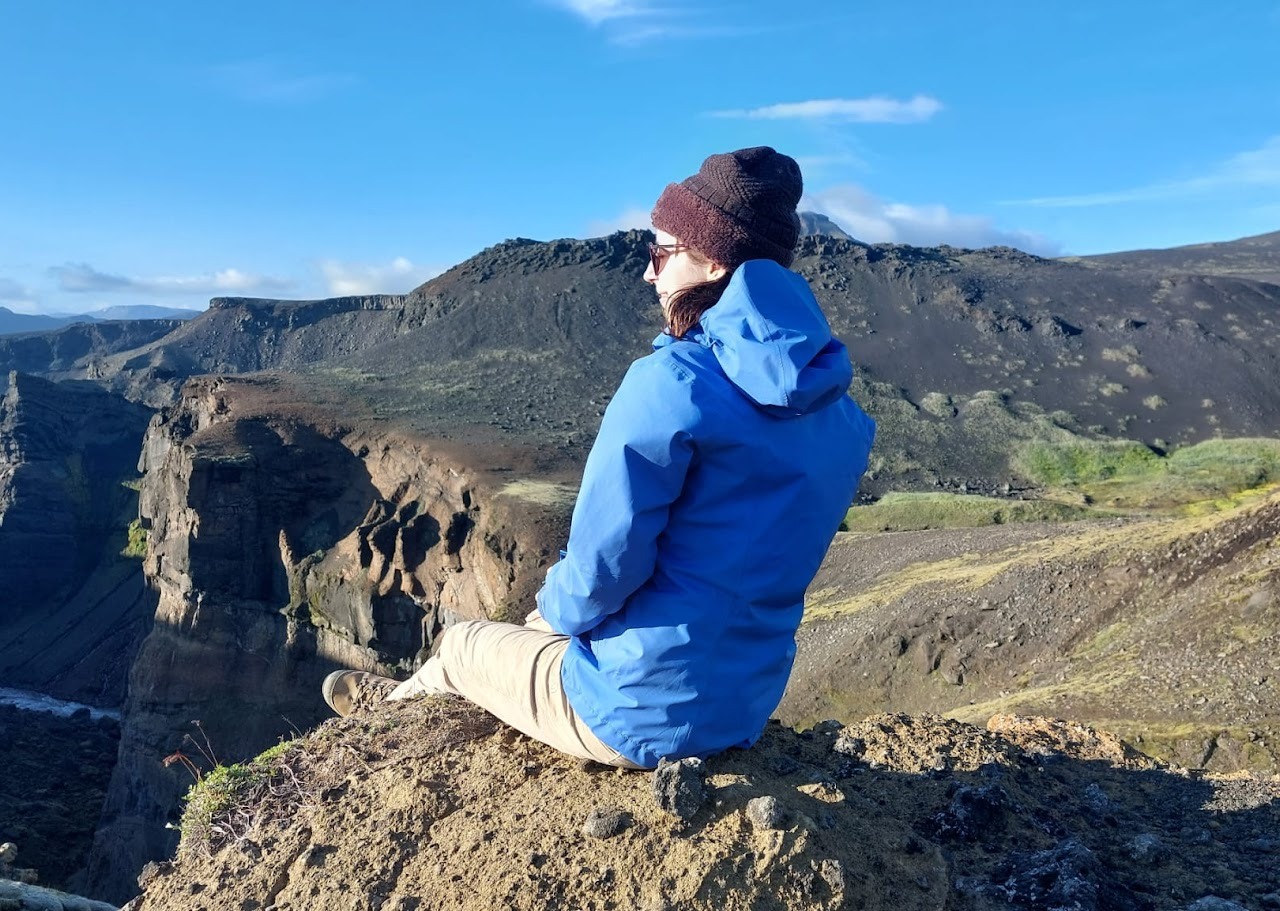
Eline Vansina joins the lab
Eline Vansina joined our lab in August 2023. She will work on a ZonMW Open funded project. She will investigate behavioral and neurobiological correlates of tolerance to methylphenidate treatment in people with ADHD.
-

Dr Antonia Kaiser!
Hora est! On the 26th of January 2023, Antonia Kaiser defended her thesis: “Challenging the Brain : Insights from comprehensive structural & functional MRI studies.” An impressive piece of work, with a quite a variety of topics and imaging approaches – that you tackled with great perseverance. We’re very proud of Dr Kaiser, and wish her all the best at her new post-doc position with Dr Lijing Xin at EPFL.
-
Janine Hendriks joins the lab
Janine started her PhD on the SANE-QC (Standardization and Automation of NEuroimaging-QC) project: a great public-private collaboration between Amsterdam UMC and IXICO and QMENTA. This project aims to develop automated imaging quality control (QC) strategies by combining physics and AI-based methods and validate their ability to improve the precision and sensitivity of MRI biomarkers for clinical trials.
-
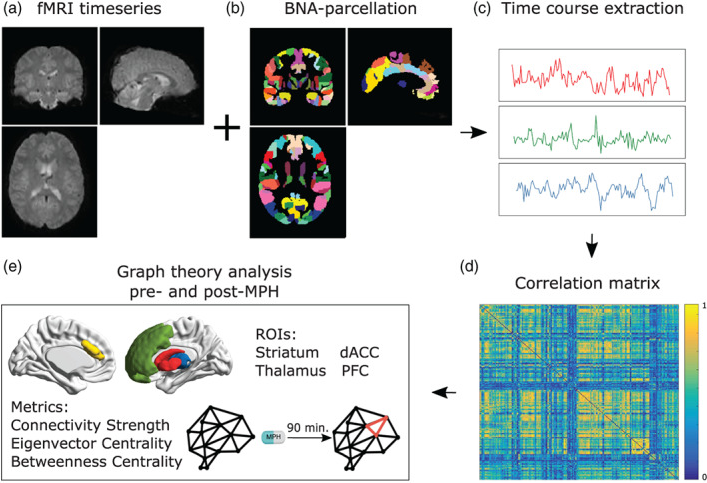
Paper alert!
Antonia published her manuscript on age-dependent responses to methylphenidate on resting-state networks in Human Brain Mapping: “Effects of a single-dose methylphenidate challenge on resting-state functional connectivity in stimulant-treatment naive children and adults with ADHD”. In this great collaboration with Linda Douw (Amsterdam UMC) and Jessica Cohen (UNC) , we found that methylphenidate’s effects on connectivity of subcortical regions are age-dependent in stimulant-treatment naïve participants with ADHD, likely due to ongoing maturation of dopamine and noradrenaline systems.
-

Anneke Vuuregge starts PhD
Anneke started her PhD on a collaborative project funded by Urban Mental Health (https://www.centreforurbanmentalhealth.com/) with the title “Working Out Urban Stress”. The goal of this project is to understand how exercise training decreases sensitivity to stress and whether exercise training plays a central role in preventing depression and anxiety in high-risk adolescents, by studying it at the neurobiological and behavioral level. This is a joint project between Amsterdam UMC and the SILS at UvA (Joram Mul and Paul Lucassen).
-
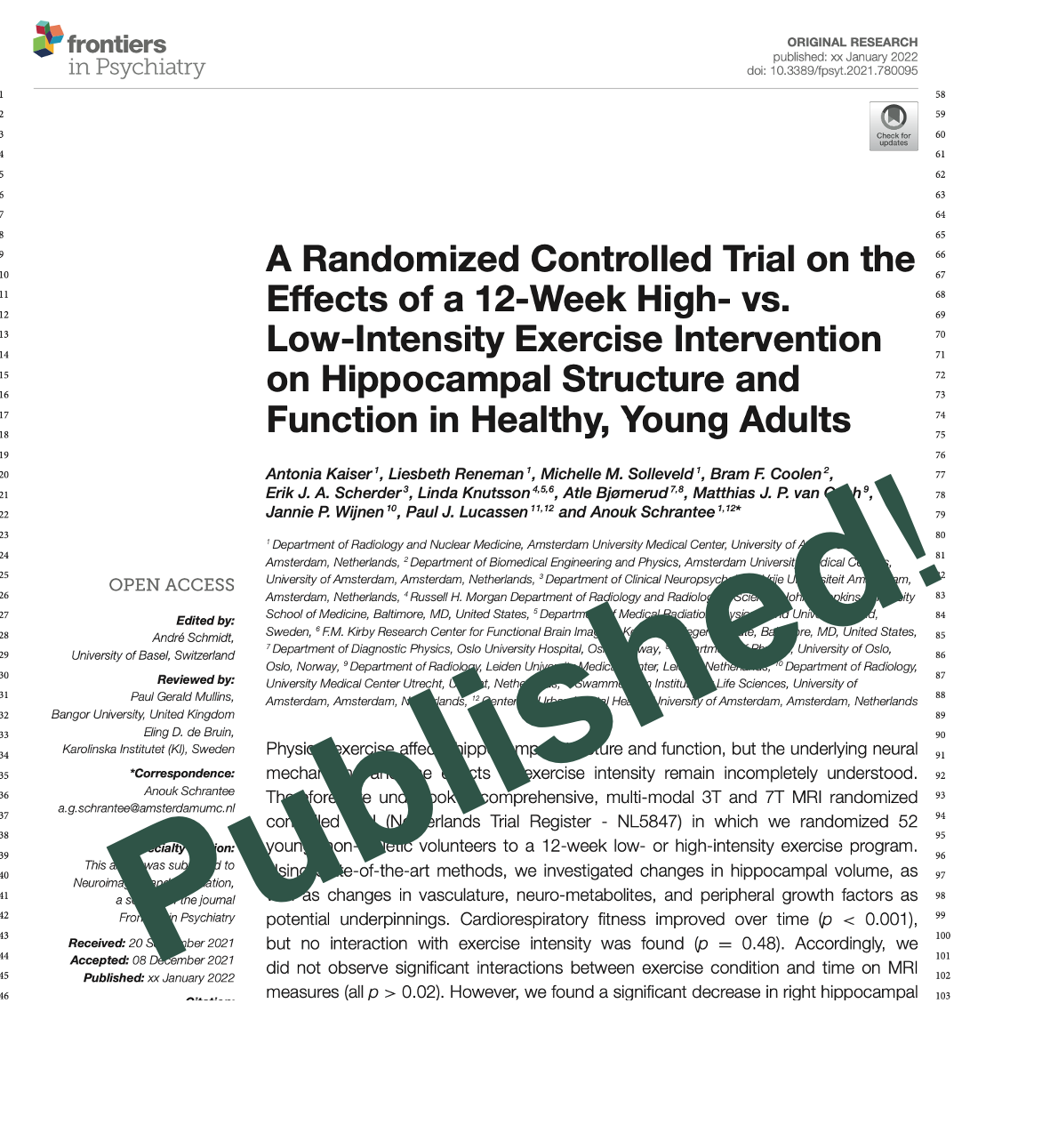
Neuroshape paper
Antonia’s third paper was accepted; based on data from the Neuroshape project, on which she initially worked with us as a MSc student. In this randomized controlled trial, we investigated the effect of a 12-week high vs. low intensity exercise intervention on hippocampal structure and function. We did not find that high intensity exercise significantly impacted brain structure and function more than low intensity exercise, in our sample of young healthy adults. We did find some intensity-independent effects over time, but these were not correlated with change in cardio-respiratory fitness. Overall, these results and the available literature suggests that the effects of exercise may be restorative rather than stimulatory, and hence may be particularly effective in elderly or diseased populations
January 2022
-

Janus
Anouk was interviewed by the Amsterdam UMC communication office about her research, and the resulting article was published in the Amsterdam UMC staff magazine called ‘Janus’.
December 2021
-

INEMO paper published
Antonia’s second paper was accepted, which includes data from the INEMO project. In this study we investigated emotion regulation in adult ADHD using functional MRI. More specifically, we wanted to examine how emotional reactivity was modulated by working memory activation. Contrary to previous studies in adolescent ADHD, we did not find altered emotional reactivity in individuals with ADHD compared to controls in our sample. Interestingly, working memory activation did not alter the neural correlates underlying emotional reactivity in ADHD or controls. Future studies will be needed to investigate whether this is different for individuals with ADHD with more severe emotional dysregulation.
September 2021